AI Music Is Here. Independent Artists Need Identity, Rights, and Strategy
By HMI Radio Editorial Desk — The Voice of the Underground
Image/source reference: Music Ally.
AI music is no longer a future conversation. It is already part of the industry conversation, the legal conversation, and the creative conversation. Music Ally has tracked the rise of Suno, including valuation, lawsuits, and broader concerns around AI-generated music. For independent artists, this is not a science-fiction story. It is a business warning.
The first reaction may be fear. If machines can generate songs quickly, what happens to the human artist? But the better question is sharper: what makes your music impossible to replace?
Culture Is Not a Preset
Haitian music, kompa, rap kreyol, dancehall, reggae, soca, hip-hop, and Afrobeats carry more than rhythm. They carry language, neighborhood memory, migration, family pressure, spiritual feeling, humor, heartbreak, and celebration. A machine can imitate patterns. It cannot live the cultural experience behind them.
That gives independent artists an advantage, but only if they develop a recognizable identity. Generic songs are easier to replace. Specific voices are harder to copy. The more personal and culturally grounded the artist becomes, the stronger the artistic position.
Rights Matter More in the AI Era
The rise of AI music also makes documentation more important. Artists should save session files, lyric drafts, timestamps, split sheets, and registrations. If authorship becomes disputed, the artist who kept records will be in a stronger position than the artist who only has a voice note and a prayer.
Independent artists should also pay attention to platform terms. If a service asks for broad rights to your voice, likeness, melodies, or uploads, slow down. The terms may matter more than the tool. Free technology can become expensive if it takes ownership from you.
How Artists Can Respond
Build a distinct sound and story.
Register songs and recordings before major promotion.
Keep proof of creative development.
Read platform terms before uploading vocals or stems.
Use AI carefully as a tool, not as a replacement for identity.
Why It Matters
The underground should not run from technology, but it should not surrender to it either. AI can generate sound. Artists generate meaning. The future belongs to creators who protect both.
Royalty Pipelines Are Getting Smarter. Are Independent Artists Ready?
By HMI Radio Editorial Desk — The Voice of the Underground
Image/source reference: GlobeNewswire / AllTrack.
Some music-industry stories are not flashy, but they are important. A new licensing agreement may not trend like a celebrity argument, but it can affect how songwriters and publishers collect money around the world. For independent artists, that is the kind of news worth studying.
GlobeNewswire reported that AllTrack signed a multi-territory digital music licensing agreement with SACEM, designed to improve international royalty collections and faster global payouts across several regions. The details belong to those companies, but the lesson for independent artists is bigger: royalty systems are becoming more connected, and artists who are not properly registered may keep missing income.
The Song Is Not Just the Song
Many underground artists think releasing music means uploading a track to a distributor and waiting for streams. That is only one part of the business. A recording can generate master royalties, publishing royalties, performance royalties, mechanical royalties, neighboring rights, and licensing income. If that sentence made your head hurt, congratulations, you are officially in the music business.
The problem is that many artists only set up one piece of the system. They upload to stores, but never register the composition. They collect master-side streaming money, but miss publishing. They perform live, but do not understand performance royalties. They get radio play, but metadata is wrong. Then the money becomes hard to find.
Why Haitian and Caribbean Artists Should Care
Haitian music and Caribbean music travel through diaspora networks. A song may be played in Haiti, Miami, New York, Montreal, Paris, Chile, Brazil, and the Dominican Republic. That global movement is powerful, but international money does not magically chase the artist. It follows registrations, databases, agreements, and metadata.
If your name is spelled three different ways across platforms, if the producer split is unclear, or if the songwriter information is missing, royalty collection becomes harder. The culture may know who made the record, but the royalty database may not. Unfortunately, databases do not accept street credibility as legal documentation.
A Basic Royalty Checklist
Register with a performance rights organization.
Register each composition with correct songwriter splits.
Make sure your distributor assigns and reports ISRC codes properly.
Consider publishing administration for global collections.
Keep written producer agreements before release day.
Track radio, live performance, sync, and online usage.
Why It Matters
The underground does not need to become corporate, but it must become organized. A serious artist should not lose money because the paperwork was weaker than the hook. The next stage of independence is ownership with documentation.
Home Studio, Serious Sound: What Independent Artists Actually Need
By HMI Radio Editorial Desk — The Voice of the Underground
Image/source reference: PCMag.
Recording equipment is more accessible than ever. PCMag's guide to USB microphones is another reminder that artists can now create respectable recordings without renting a major studio every week. For independent Haitian, Caribbean, hip-hop, and Afrobeats artists, this is good news. It is also a challenge.
When everybody can record, quality becomes more important. The listener may forgive a rough demo once. They will not forgive five years of muddy vocals, distorted hooks, and background noise that sounds like someone is frying plantains next to the microphone.
Gear Helps, But It Is Not the Whole Studio
A microphone matters. An audio interface matters. Headphones matter. But the most important equipment is still discipline. A clean performance, a quiet room, proper gain levels, and a focused arrangement will beat expensive gear used badly.
Independent artists should avoid buying equipment just because it looks professional on camera. The real question is simple: does it make the recording cleaner, faster, and more consistent?
The Minimum Serious Setup
A reliable microphone suited for vocals.
An audio interface or quality USB mic setup.
Closed-back headphones for recording.
Basic acoustic treatment or a controlled recording corner.
A stable computer and recording software.
Organized session files and backups.
None of this replaces songwriting. Gear cannot create emotion. A plugin cannot invent charisma. But good recording quality helps the audience focus on the artist instead of the technical problems.
Why Sound Quality Matters for the Underground
Underground does not mean unprofessional. The independent scene competes with major-label releases on the same platforms. If your song appears in a playlist next to polished records, weak sound can make listeners skip before the message lands.
For Haitian music and Caribbean music especially, rhythm and vocal energy are central. A bad mix can flatten percussion, bury emotion, and make a powerful record feel smaller than it is. Better recording is not vanity. It is respect for the song.
Why It Matters
The home studio can be a weapon for independent artists, but only when used with intention. Buy what you need, learn how to use it, and treat every release like it may be someone's first impression of your movement.
Meta Description: HMI Radio editorial on AI music, Spotify remix tools, royalties, licensing, and what independent Haitian, Caribbean, hip-hop, and Afrobeats artists should do next.
By HMI Radio Editorial Desk — The Voice of the Underground
Image source: TechRadar / Future CDN. Used here as editorial reference to the linked source coverage.
The music business is moving fast again, and independent artists cannot afford to treat the changes like background noise. AI-generated music is entering public spaces, streaming platforms are exploring remix tools, global licensing companies are building new royalty pipelines, and home studio equipment keeps getting cheaper and more powerful. For a major label, these are boardroom conversations. For an independent Haitian artist recording vocals in a bedroom studio after work, these changes can decide whether a song becomes income, exposure, or just another file sitting on a hard drive.
That is why this matters to HMI Radio and to every artist who believes in the underground. The underground is not a place where music is less important. It is often where the next sound is born before the industry learns how to spell it, pronounce it, package it, and sell it back to the world with a shiny logo.
The New Fight Is Not Just for Attention. It Is for Ownership.
Recent music-industry headlines point to one clear reality: the next era of music will reward artists who understand rights, data, licensing, and direct fan connection. Talent still matters. A great hook still matters. A strong beat still matters. But in 2026, talent without paperwork is like showing up to a concert with the microphone unplugged. You may be singing your heart out, but nobody at the payment office can hear you.
Reports about cafes and businesses using AI-generated music to cut costs raise a serious question for musicians and songwriters: if businesses can fill rooms with machine-made background music, where does that leave the human creator? For independent artists, the answer cannot be panic. The answer has to be strategy. Human music carries identity, struggle, accent, humor, spirituality, street memory, and cultural history. AI can imitate sound, but it cannot live through a Port-au-Prince block party, a Brooklyn basement session, a Miami kompa night, or a Haitian church choir rehearsal that accidentally turns into a full concert because the drummer caught the Spirit.
Still, culture alone does not protect income. Rights do.
Spotify Remix Tools Could Create Opportunity — and Confusion
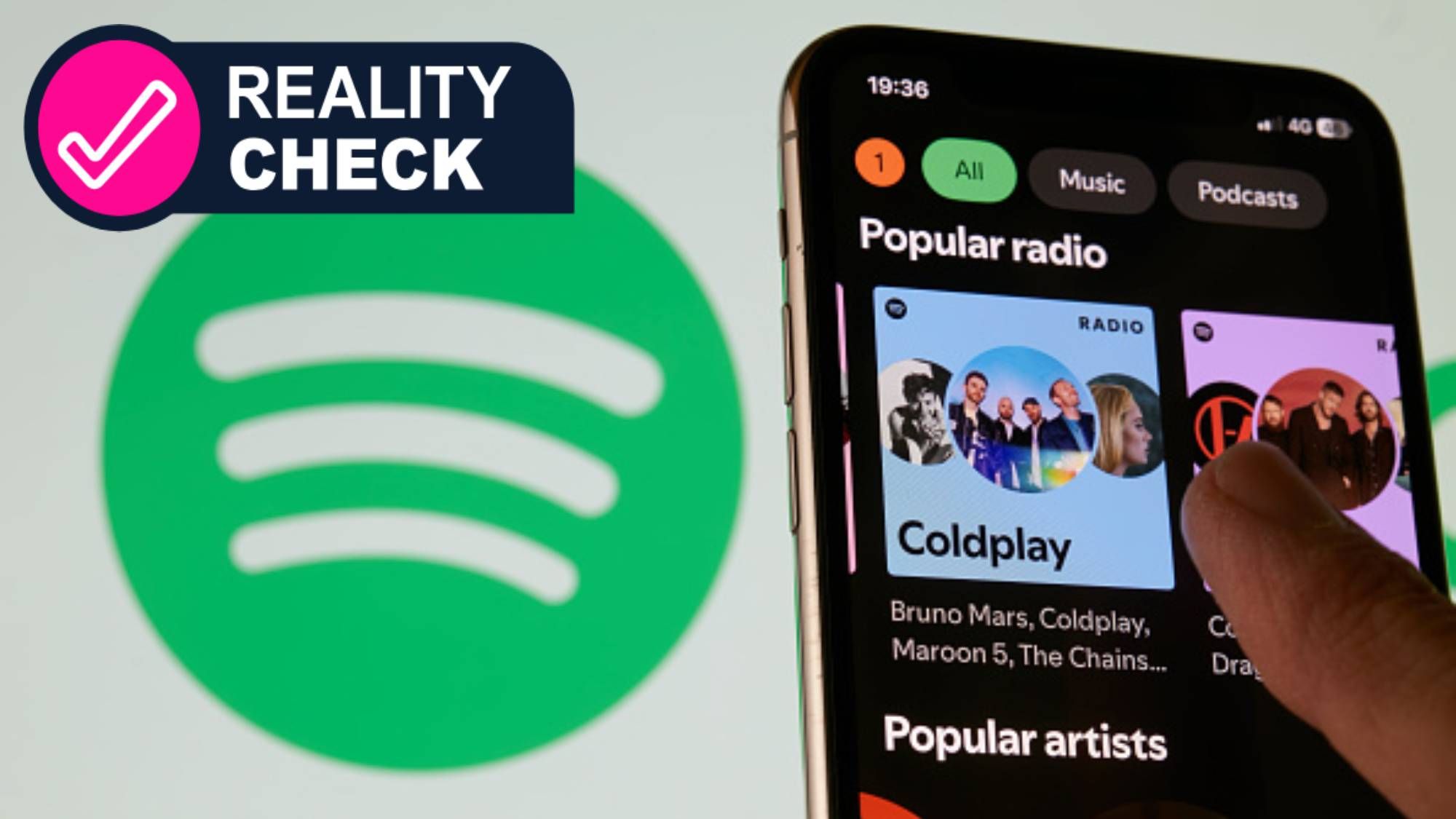
TechRadar recently reported on Spotify moving deeper into participatory music tools, including AI-powered remix possibilities. For fans, remix tools can feel exciting. For artists, they open a more complicated conversation: who controls the derivative version, who gets paid, and how is permission handled?
This is especially important in hip-hop, dancehall, Afrobeats, kompa, and Caribbean music because remix culture is already part of the ecosystem. DJs flip records. Producers rebuild rhythms. Artists jump on versions. A song can travel from Cap-Haitien to New York to Paris to Abidjan through a remix before the original artist even knows the track is moving. That energy is beautiful, but when platforms formalize remixing, artists need to know whether they are being invited into a new revenue stream or quietly pushed into a new rights headache.
Independent artists should ask three basic questions before celebrating any remix feature:
Does the original artist approve the remix use?
Does the songwriter, producer, and publisher share in revenue?
Can the remix compete against the original version in search, playlists, or monetization?
If the answer is unclear, that is not a small detail. That is the whole business.
Royalties: The Underground Must Stop Leaving Money on the Table
One of the most important stories for independent artists is not always the flashiest headline. GlobeNewswire reported that AllTrack signed a multi-territory digital music licensing agreement with SACEM, aimed at improving international royalty collections and faster global payouts for songwriters and publishers across multiple regions. This kind of story may not trend like a celebrity breakup, but for serious artists, it matters more.
Why? Because independent artists often lose money not because their music is bad, but because their business structure is incomplete. A song can generate several types of income, and many artists only collect one or two of them. In some cases, they collect none properly and then blame "the algorithm". The algorithm has many problems, yes, but sometimes the first problem is that the artist never registered the song correctly.
Basic Royalty Checklist for Independent Artists
If you are an independent Haitian, Caribbean, Afrobeats, dancehall, reggae, or hip-hop artist, start here:
Register with a performance rights organization. Examples include ASCAP, BMI, SESAC, SOCAN, PRS, SACEM, and others depending on your country and eligibility.
Register your compositions. The song itself, meaning lyrics and melody, should be documented.
Register your sound recordings. The master recording is separate from the composition.
Use a proper distributor. Make sure your distributor can deliver to major DSPs and collect master-side streaming revenue.
Understand publishing administration. If you do not have a publisher, you may need publishing administration to collect global songwriter royalties.
Track producer splits before release. Do not wait until the song starts moving to argue about percentages. That is how friendships become courtroom exhibits.
Keep metadata clean. Artist name, songwriter name, producer credits, ISRC, UPC, and release dates matter.
Think about sync licensing. Music for film, TV, games, commercials, YouTube content, and brands can become serious income.
This is not glamorous work. Nobody goes viral for filling out metadata. But metadata is how money finds its way home. If the information is wrong, your royalties may be traveling the world like a suitcase with no luggage tag.
AI Music Is a Warning Shot for Cultural Workers
Music Ally has continued tracking companies like Suno and the legal battles, valuations, and controversies around AI music generation. The bigger point is not just whether AI music is good or bad. The bigger point is that the industry is trying to decide how much human creativity is worth when machines can generate endless sound.
Independent artists need to respond by becoming harder to replace. That does not mean using more expensive studios or chasing every trend. It means building a recognizable identity. Haitian music has an advantage here. The language, rhythm, humor, pain, spirituality, and diaspora experience are not generic. A machine can copy a drum pattern, but it cannot explain why one phrase in Haitian Creole can make an entire room laugh, cry, and dance at the same time.
But again, identity must be protected. Artists should document their work, save project files, keep split sheets, timestamp demos, and register songs properly. The more synthetic the music world becomes, the more valuable verified human authorship becomes.
Studio Gear Is Cheaper, But Standards Are Higher
PCMag's latest USB microphone guide is a reminder that recording equipment has become more accessible. Today, an independent artist can record respectable vocals with a modest microphone, a treated corner, decent headphones, and discipline. The bad news is that because everyone can record, listeners are less patient with poor sound. The underground does not have to sound broke. It has to sound intentional.
For independent artists building a home setup, the priority should be:
A clean microphone signal
Basic acoustic treatment
Good gain staging
Reliable headphones or monitors
Consistent vocal recording technique
Professional mixing and mastering when the song deserves a real release
Buying gear is not the same as building a studio. A microphone cannot fix an unfocused song. A plugin cannot create a fanbase. And Auto-Tune, despite its best efforts, cannot repair a missing business plan.
What This Means for Haitian and Caribbean Independent Artists
The opportunity is real. Haitian music, kompa, rap kreyol, dancehall, reggae, soca, and Afrobeats all live in a global moment where local sounds can travel quickly. But the artists who benefit most will be the ones who treat their careers like businesses without losing the soul that made the music powerful in the first place.
For the underground, the mission is not to copy the major-label system. The mission is to understand the system well enough to stop being exploited by it. Build community. Register the music. Protect the masters. Learn publishing. Use better metadata. Study sync. Understand what platforms are doing with AI. And when the industry opens a new door, check whether it is an opportunity, a trap, or both.
Final Takeaway
The future of independent music will belong to artists who can do two things at once: create with honesty and operate with intelligence. The underground has always had the voice. Now it needs the paperwork, the strategy, and the infrastructure to make sure that voice is heard, paid, and protected.
HMI Radio will continue watching these developments because the independent artist deserves more than applause. They deserve ownership, information, and a fair chance to turn culture into sustainable income.
Mezalais Jean François, known by his stage name Meza45, is a young artist originally from the commune of Belle-Anse, located in the Sud-Est department of Haiti. He works across multiple genres, including Rap, Compas, and R&B. Throughout his career, he has already recorded more than a dozen tracks, and his greatest dream is to take his work beyond Haiti's borders and shine a spotlight on Haitian music on the international stage.
In an interview granted to the newspaper Le National, Meza45 shared that he began pursuing music professionally in 2020. After approximately six years of career development, he now aims to produce songs capable of transcending local boundaries. His ultimate aspiration is to become an international artist—not only to introduce Haitian culture to the world but also to reveal the beauty of his hometown, Belle-Anse, to a global audience.
The subjects that inspire his musical productions include themes drawn from his personal life, the lived realities of others, and events unfolding within his community. His discography features tracks such as "Ou te bon pou mwen," "Lajan," "Sanble," "Determination," "Gwo lo," and "Imilaysyon nan fami," all of which are available on various online platforms, including YouTube and Apple Music.
Meza45 has also collaborated with several fellow artists of his generation, including JayDaSoul and JHK No AkA.
When asked what sets him apart from other young artists in his generation, Meza45 believes it is his unique vocal style and production approach, which he considers entirely different from what many contemporary artists are offering. "My way of singing doesn't resemble that of anyone who came before me. And one of the things I want is to push the Haitian music industry further and to change the way Haitian artists are perceived in the market," the young talent declared.
For Meza45, singing is a profession on par with any other—such as law, engineering, or medicine. From this perspective, he believes that success in his career requires focus, hard work, and unwavering commitment.
As for upcoming projects, the artist announces the imminent release of a music video titled "Ou mechan," produced by Skinny F. Beatz. He also informs the public that he is working on several other projects and intends to give his very best in order to deliver quality productions that will honor and elevate Haitian works.
We are providing a variety of music all day. We are committed to giving underground artists the recognition they deserve. At times, music is the only form of expression that we have. We look to entertain and educate.



.jpeg)

 Posts
Posts